


What Happens To Your Applications When Windows 10 Support Ends?
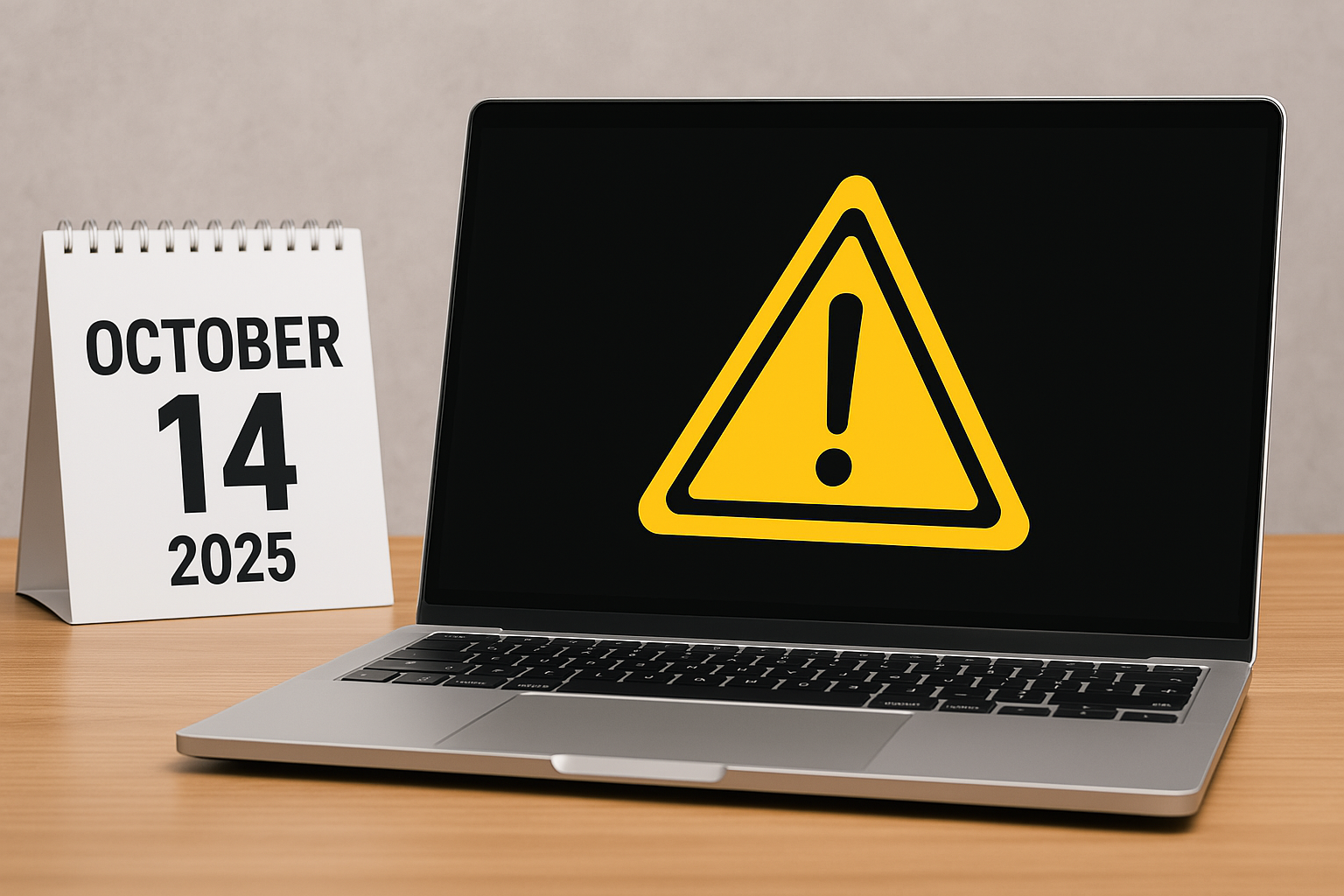
Mark your calendars: October 14, 2025—the day Windows 10 officially reaches its end of life. After this date, Microsoft will no longer provide security updates, bug fixes, or technical support for Windows 10. But what does this mean for your business applications and productivity tools?
If you're still using Windows 10 after the cutoff date, it's not just your operating system at risk—your critical business applications could be affected too. Let's break down the potential consequences and what you can do to avoid them.
No More Security Updates = Major Vulnerabilities
Once Windows 10 support ends, there will be no more security patches. This means any vulnerabilities discovered after October 14, 2025 will remain unpatched, leaving your applications exposed to cyberthreats.
What This Means For Your Applications:
-
Higher Risk of Data Breaches: Without security patches, your applications become more vulnerable to hacking attempts, ransomware, and other malicious attacks.
-
Compliance Issues: If you're in a regulated industry (e.g., healthcare, finance), running applications on an unsupported OS could lead to compliance violations and hefty fines.
-
Productivity Disruptions: Cyberattacks can compromise your systems and bring business operations to a standstill.
No More Feature Updates = Compatibility Issues Becoming Inevitable
As software vendors release new updates and versions, they will eventually stop supporting Windows 10. This means your applications may no longer be compatible with your operating system, leading to:
-
Frequent Crashes and Glitches: Applications may become unstable, crash frequently, or fail to launch altogether.
-
Feature Limitations: Missing out on new features and functionality that are available only on supported operating systems like Windows 11.
-
Security Gaps: Application updates often include security patches. If your OS is no longer supported, the latest security features won't work, increasing your risk of cyberattacks.
No More Technical Support
It's not just Microsoft ending support—third-party software vendors will also stop providing assistance. As Windows 10 becomes outdated, you'll notice:
-
No More Technical Support: Software vendors will stop offering support for their products running on Windows 10.
-
Lack of Integration with New Tools: Modern applications and tools will be optimized for Windows 11, leading to compatibility issues and reduced productivity.
-
Limited Hardware Compatibility: New hardware and peripherals may not have drivers compatible with Windows 10, making it harder to upgrade or expand your setup.
Performance and Productivity Will Suffer
Outdated systems can't keep up with modern demands. As more advanced applications are developed, they require updated operating systems to run efficiently.
The Impact On Your Business:
-
Slow Performance: Applications may run slower on outdated operating systems, which can hinder employee productivity.
-
Increased Downtime: More frequent crashes and glitches lead to costly downtime.
-
Maintenance Costs: Keeping legacy systems functional will require more IT resources and expenses, cutting into your bottom line.
What Should You Do?
To ensure your applications continue to run smoothly after Windows 10 support ends, consider taking these steps:
1. Back Up Your Data
Ensure that you back up your important data before upgrading to avoid any risk of losing files during the transition.
2. Decide to Upgrade to Windows 11 or Replace Your Computer
-
Check Compatibility: Not all devices will support Windows 11. Use Microsoft's PC Health Check tool to confirm whether your current hardware meets the requirements.
-
Plan for Upgrades: If your devices aren't compatible with Windows 11, budget for new hardware.
3. Partner With a Trusted IT Provider (Recommended)
-
Get expert guidance on the best upgrade path for your business.
-
Ensure a smooth transition with minimal disruption to your operations.
-
Implement security measures to protect your data during the upgrade process.
Don't Wait Until It's Too Late
The end of Windows 10 support is closer than you think. Waiting until the last minute could leave your business vulnerable to cyberthreats, productivity bottlenecks, and compliance issues.
Start with a FREE Network Assessment. Our experts will evaluate your current setup, identify application dependencies, and help you create a seamless transition plan to ensure your business stays secure and productive.
Click here to schedule your FREE Network Assessment today!
Don't leave your applications to chance. Take action now to protect your business from the risks of outdated technology.